Participation in Panel 4 – Climate Neutral and Resilient Society at the BAUHAUS4MED Conference
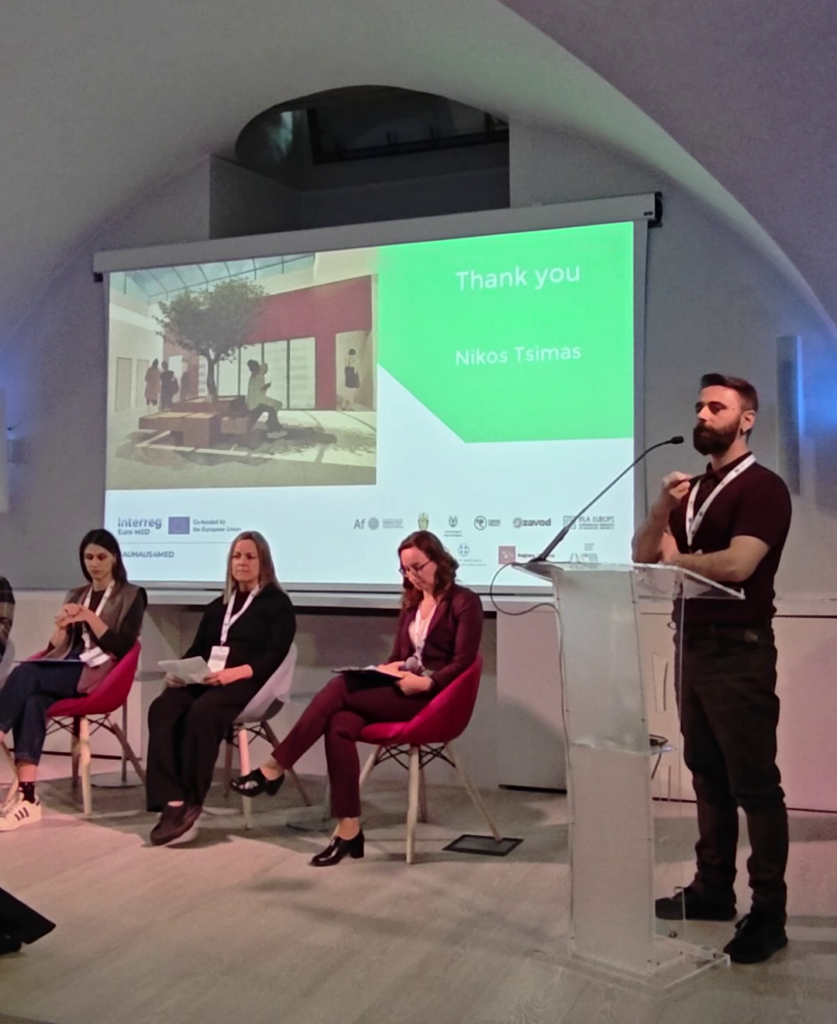
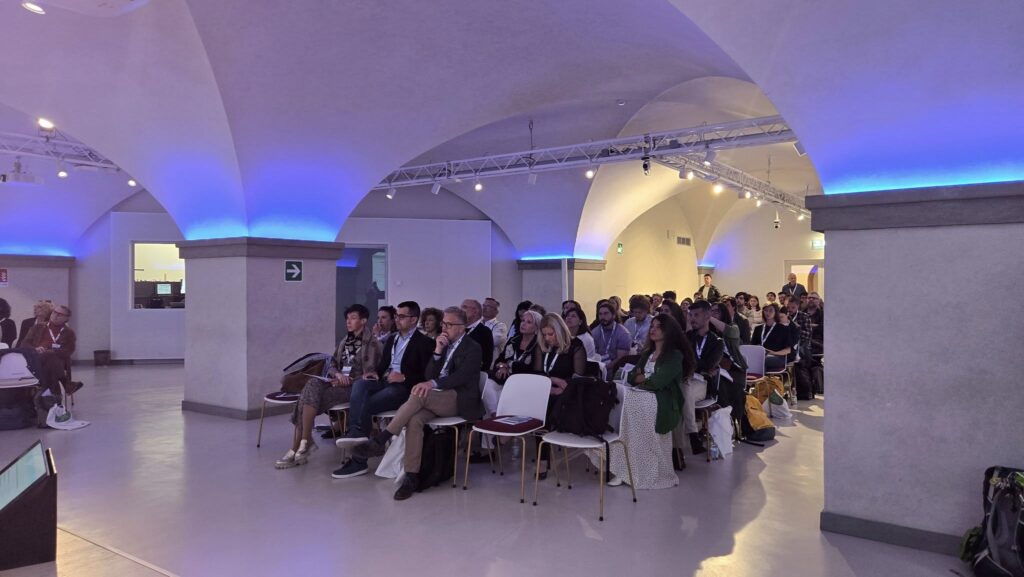
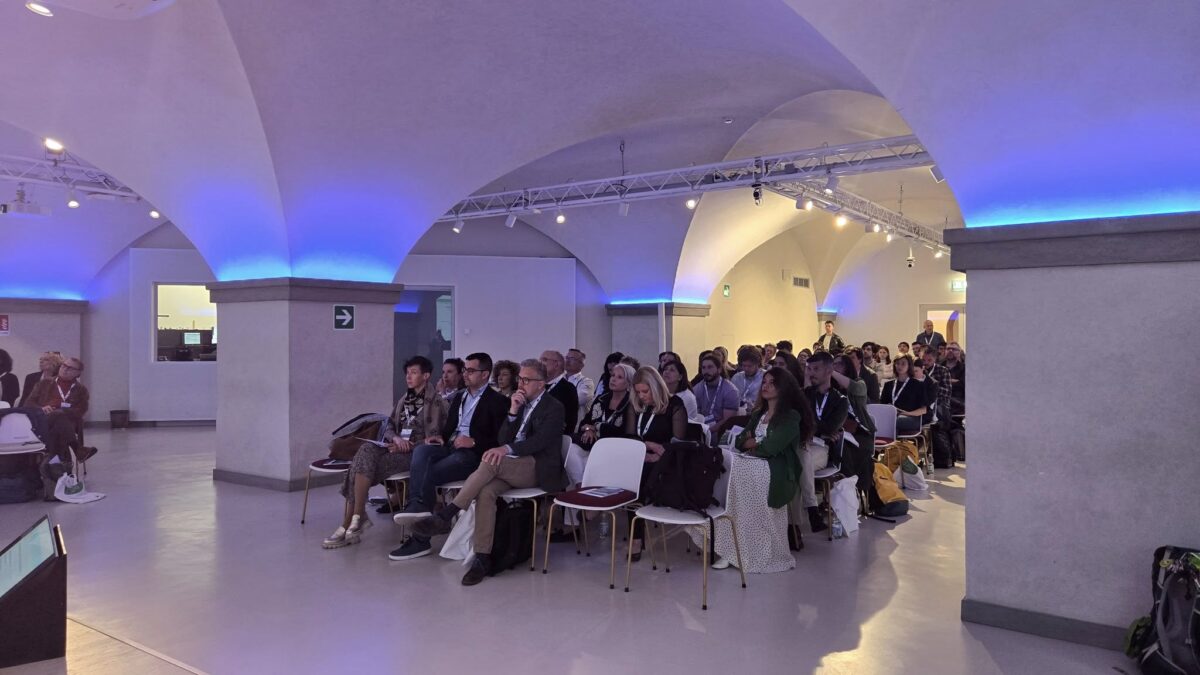
On 14 May 2026, the project participated as a panelist in Panel 4 – Climate Neutral and Resilient Society during the BAUHAUS4MED Conference, hosted at the NANA BIANCA Innovation Center, Piazza Cestello 10, Florence, Italy. The conference brought together researchers, architects, urban planners, policy makers, local authorities, and practitioners from across Europe to discuss innovative approaches for shaping sustainable, inclusive, and aesthetically meaningful urban environments through the principles of the New European Bauhaus (NEB).
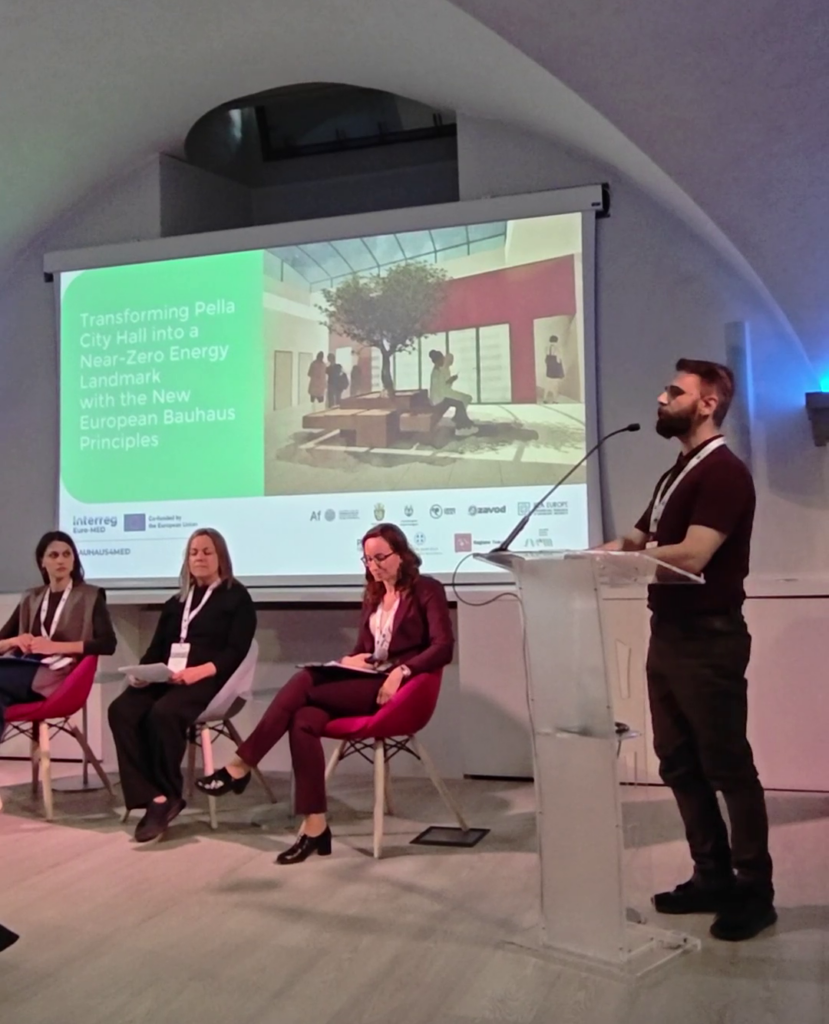
The participation in the panel provided an important opportunity to present the project’s methodological framework and ongoing work regarding the integration of NEB values into architecture, urban design, and public space interventions. During the discussion, particular emphasis was placed on the project’s interdisciplinary and participatory approach, which combines sustainability, social inclusion, aesthetics, and climate resilience within a common strategic framework. The presentation highlighted how local authorities and project partners can collaborate with designers, citizens, and technical experts in order to transform public spaces and buildings into climate-neutral and socially engaging environments.
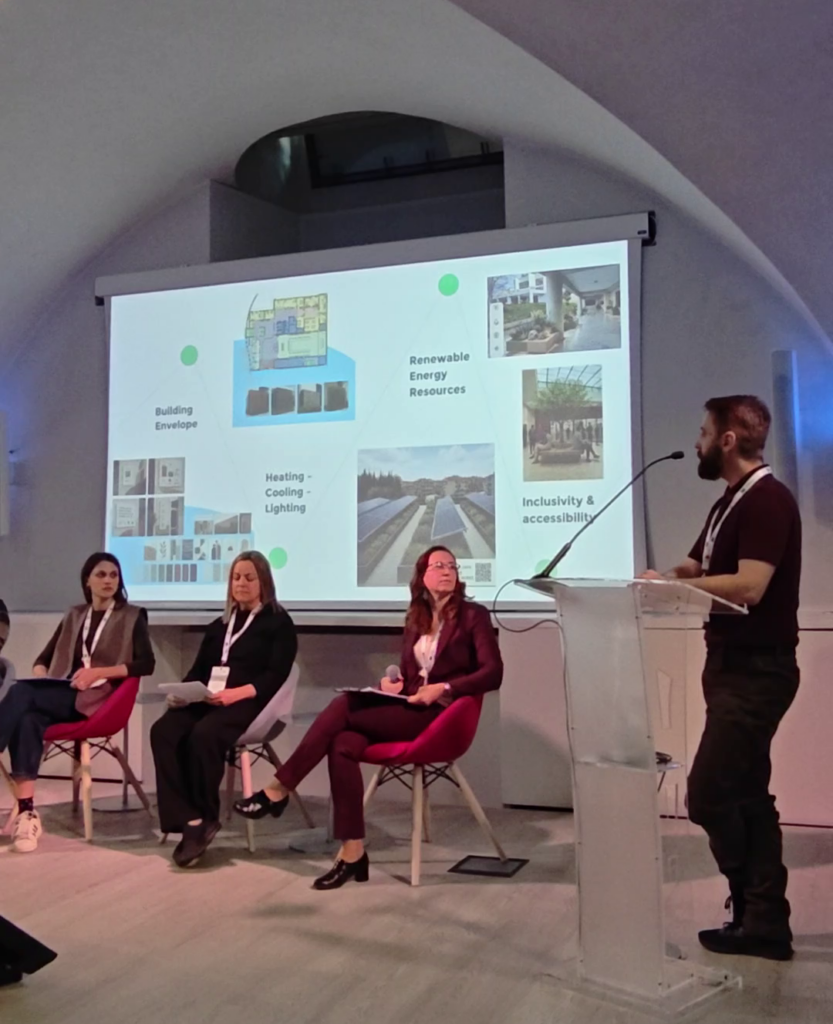
Special focus was given to the project’s methodology for integrating environmental performance with human-centered design principles. The discussion explored how climate adaptation measures, energy-efficient interventions, green infrastructure, and biophilic design strategies can coexist with cultural identity, accessibility, and the everyday experience of users. Through practical examples and pilot-oriented approaches, the project demonstrated how the New European Bauhaus can move beyond theory and become an operational framework for local and regional development.
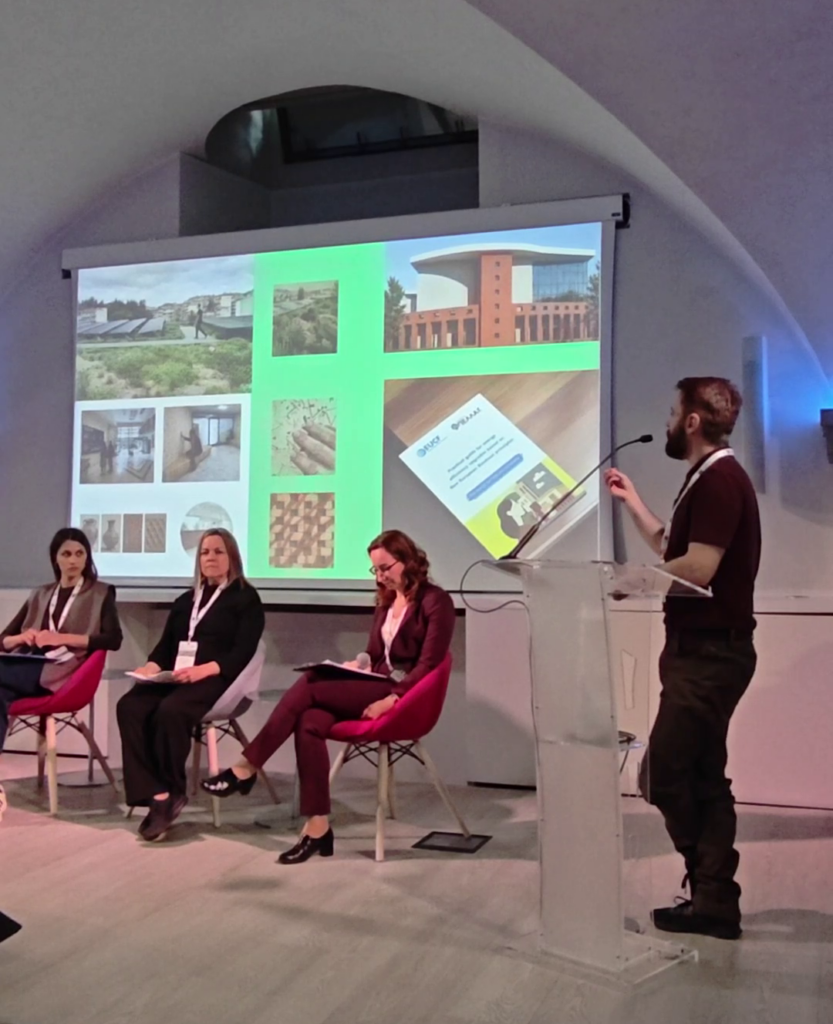
At the same time, the project promoted its Replication Manual, presenting it as a practical tool intended to support municipalities, institutions, and stakeholders interested in transferring and adapting the project’s methodologies to their own local contexts. The manual aims to facilitate the replication of sustainable and inclusive interventions by providing strategic guidance, methodological steps, and transferable practices that can be applied in different territorial and climatic conditions.
The discussion during the panel confirmed that the dialogue around the application of New European Bauhaus principles in architecture and urban design is becoming increasingly strong and dynamic across Europe. The growing interest from local authorities, academic institutions, and practitioners demonstrates the need for integrated approaches that combine climate neutrality with spatial quality, social cohesion, and cultural identity.