
About the project
The investment project includes interventions in the central building of the municipality of Pella that hosts most of its administration and policy departments.
The radical energy upgrade of the building is proposed in order to be presented as a model for a public administration unit that promotes:
(a) energy efficiency in the climate zone of northern Greece
(b) the New European Bauhaus ‘principles.
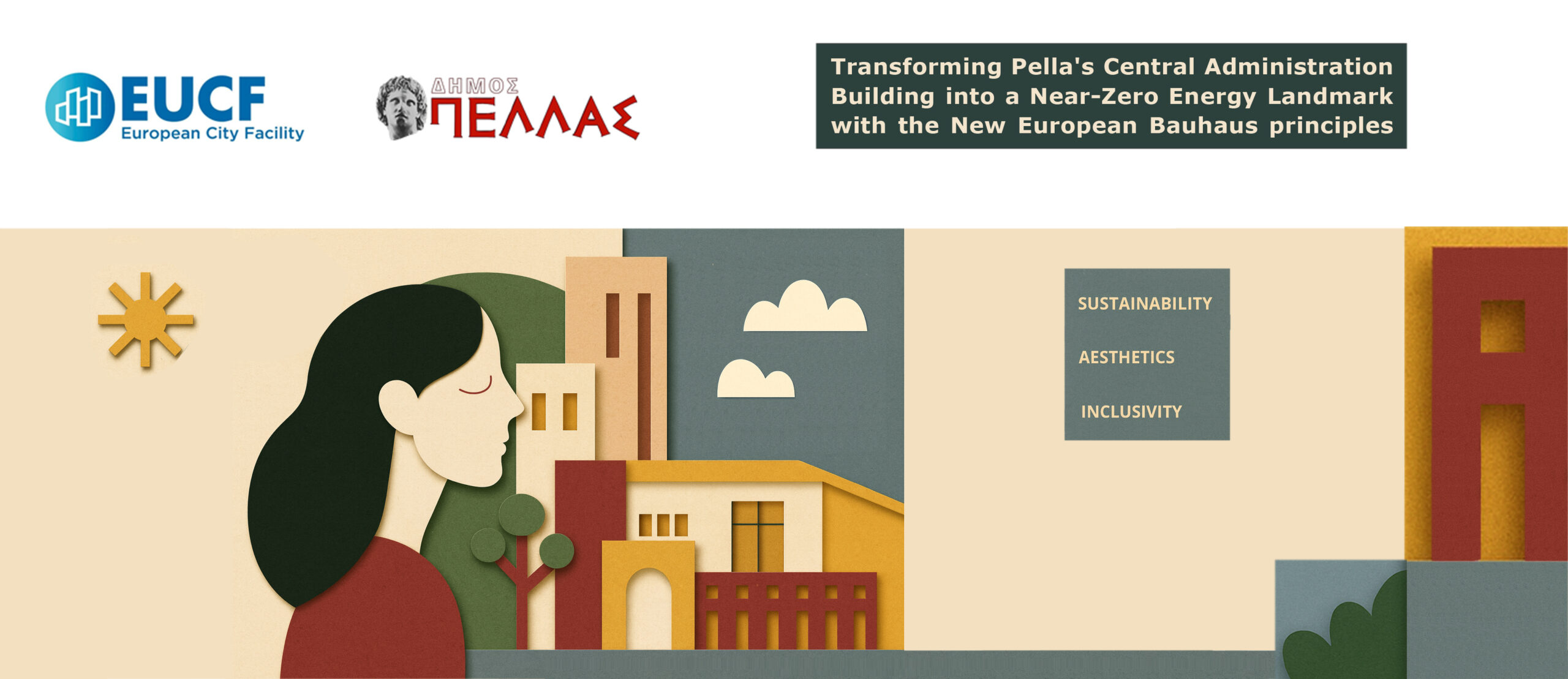
The New European Bauhaus is built on three core principles: sustainability, aesthetics, and inclusion. It calls for climate-friendly and resource-efficient solutions, beautiful and high-quality design, and socially inclusive processes that put people and communities at the center.
About EUCF
Research and Innovation of the European Union
Under the Horizon 2020 Framework Programme
Municipalities, local authorities and local public entities are at the forefront of Europe’s sustainable energy transition, with a unique capacity to translate climate and energy strategies into concrete investments on the ground. The European City Facility (EUCF) responds directly to this potential by providing fast, simplified and tailor-made financial support, combined with targeted technical and financial expertise.
Through the EUCF, local authorities are empowered to transform the actions outlined in their climate and energy action plans into robust investment concepts—an essential first step towards fully developed business and financial plans.
About Pella
The Municipality of Pella is located in northern Greece, within the administrative Region of Central Macedonia. It was established under the 2011 local government reform by merging five former municipalities — Giannitsa, Krya Vrysi, Kyrros, Megas Alexandros, and Pella (town), which now serve as municipal units. Its administrative seat and largest urban center is Giannitsa.
This climate profile suggests certain opportunities and needs when it comes to energy use, construction and sustainability in Pella:
Mild winters + moderate rainfall — building insulation and efficient heating still matter, but extreme winter heating loads are less than in colder regions.
Hot, dry summers with high daytime temperatures — energy demand for cooling and shading during summer months is likely significant (especially if buildings are not designed efficiently).
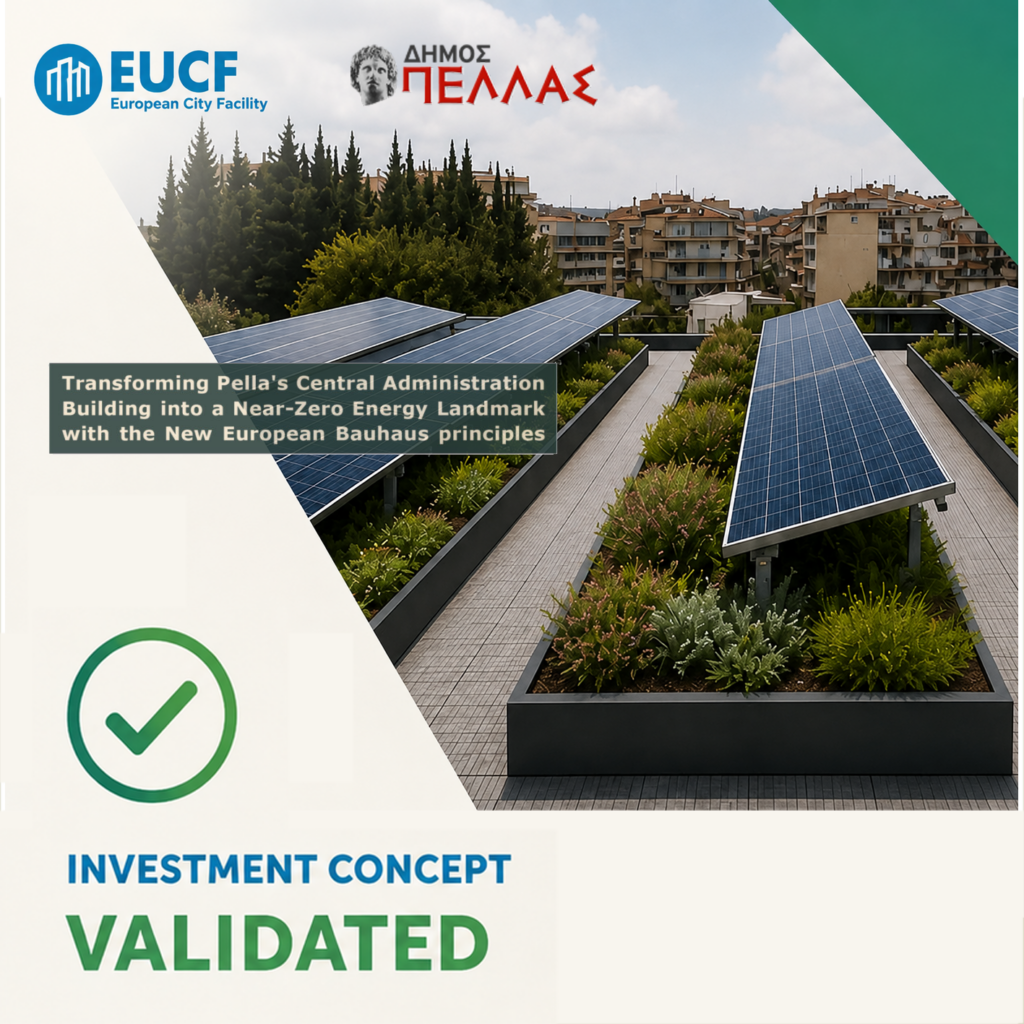
EUCF Investment Concept Successfully Validated – From Vision to Implementation
We are pleased to announce that the Municipality’s Investment Concept, developed under the European City Facility (EUCF) initiative, has been officially validated by the…
Protected: Supporting material for the Investment Concept
This content is password-protected. To view it, please enter the password below. Password:
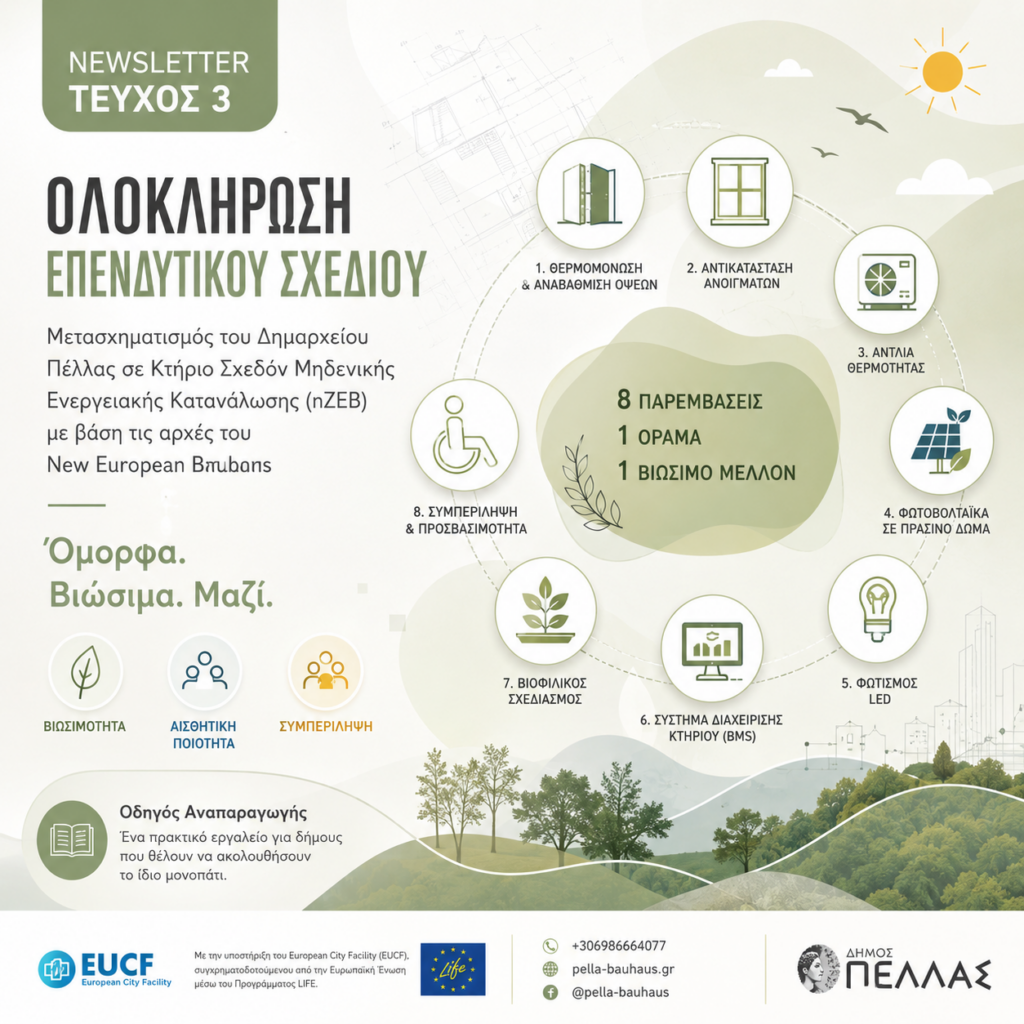
Read our 3rd newsletter!
The project has now been successfully completed, delivering a comprehensive investment concept for the transformation of Pella City Hall into a Near-Zero Energy Landmark…
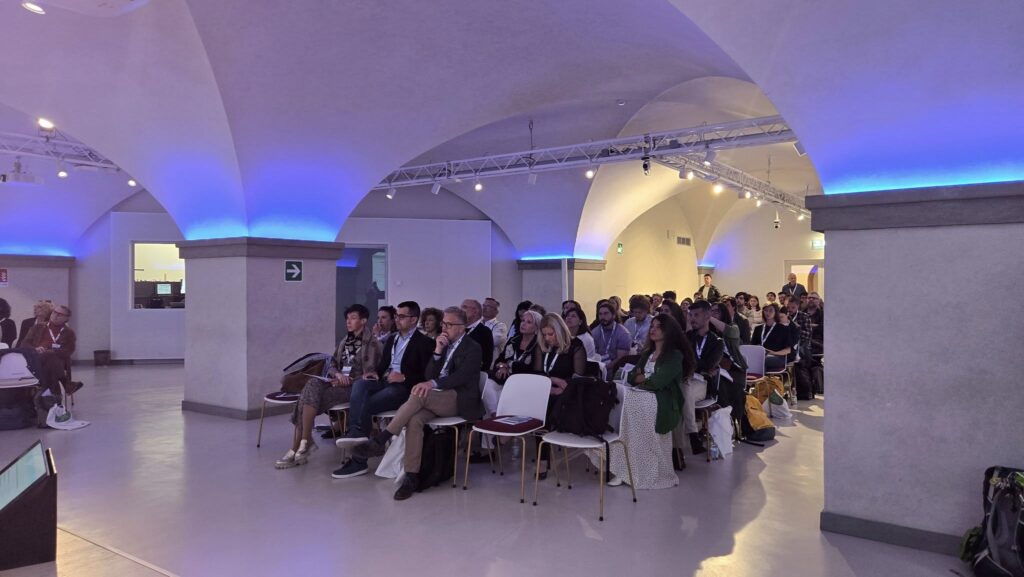
Participation in Panel 4 – Climate Neutral and Resilient Society at the BAUHAUS4MED Conference
On 14 May 2026, the project participated as a panelist in Panel 4 – Climate Neutral and Resilient Society during the BAUHAUS4MED Conference, hosted…
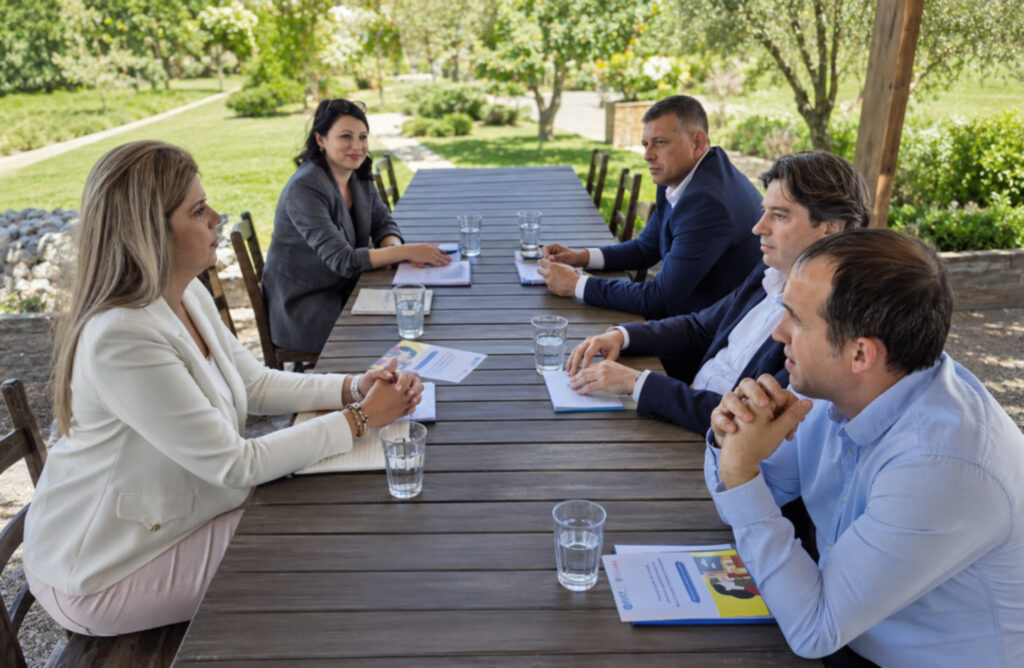
Feedback from Mayors
On 13 May 2026, a meeting with a group of Mayors and local authority stakeholders took place in Thessaloniki, focusing on the promotion of…
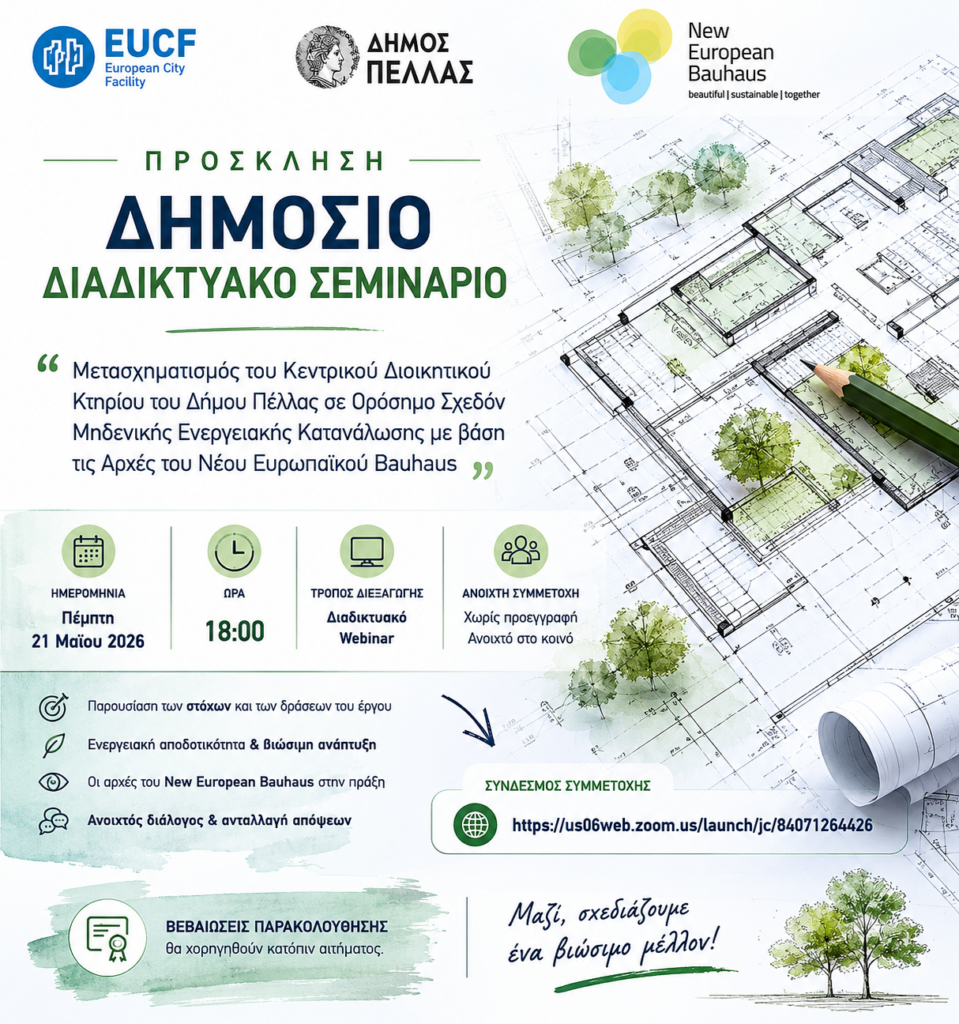
Invitation in a public webinar (GR)
Invitation to a Public Webinar We are pleased to invite you to a public webinar that will present the ongoing activities, objectives, and expected…
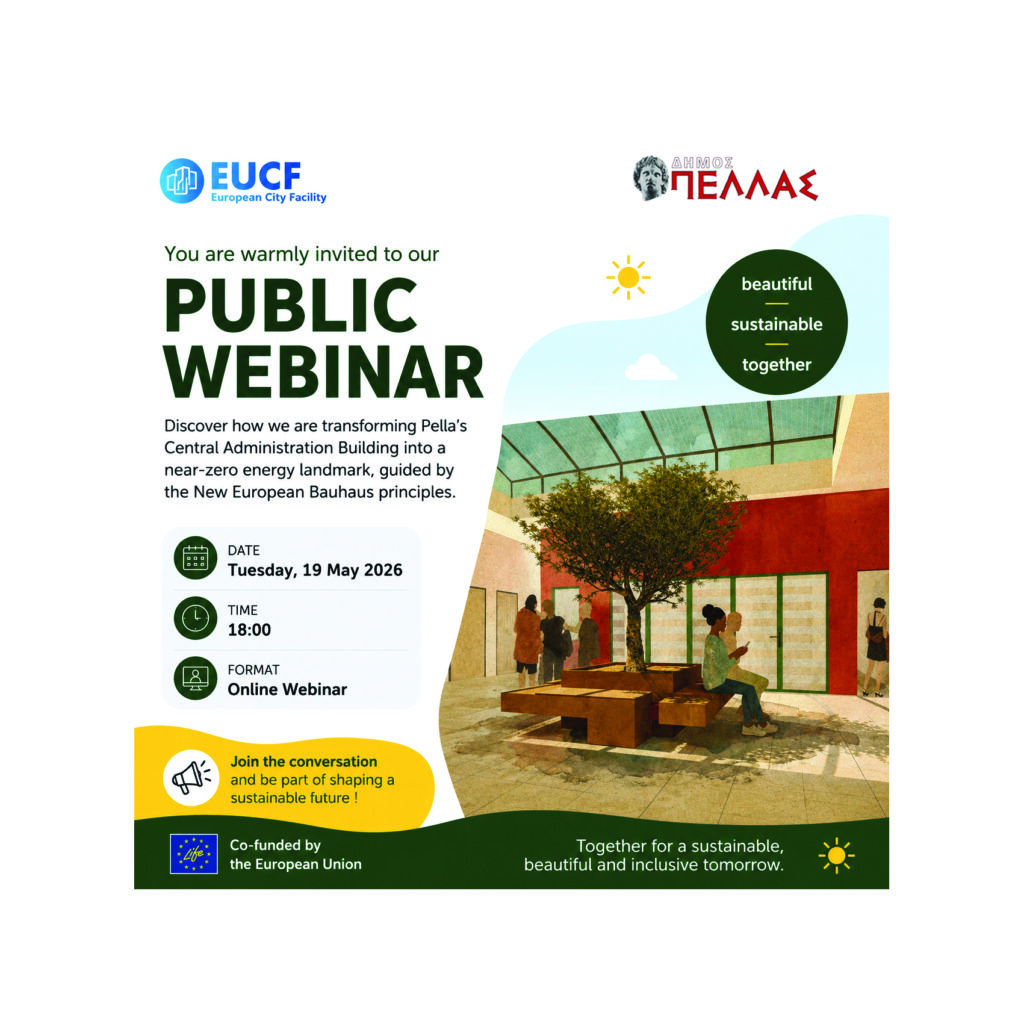
Invitation to a public webinar (ENG)
Invitation to a Public Webinar We are pleased to invite you to a public webinar that will present the ongoing activities, objectives, and expected…

Practical guide for politicians and decision makers
The energy renovation of the Giannitsa Town Hall, implemented by the Municipality of Pella, is a practical and replicable example of how the principles…
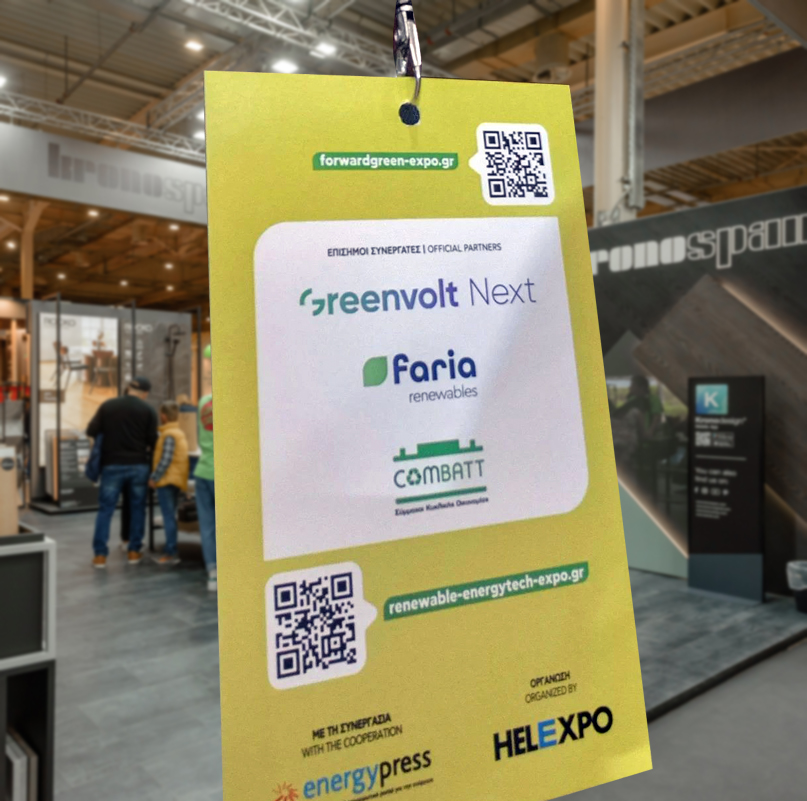
Project Team Engages in Key Industry Events for Sustainable Building Innovation
The team of the project “Transforming Pella’s Central Administration Building into a Near-Zero Energy Landmark with the New European Bauhaus Principles” recently participated in…
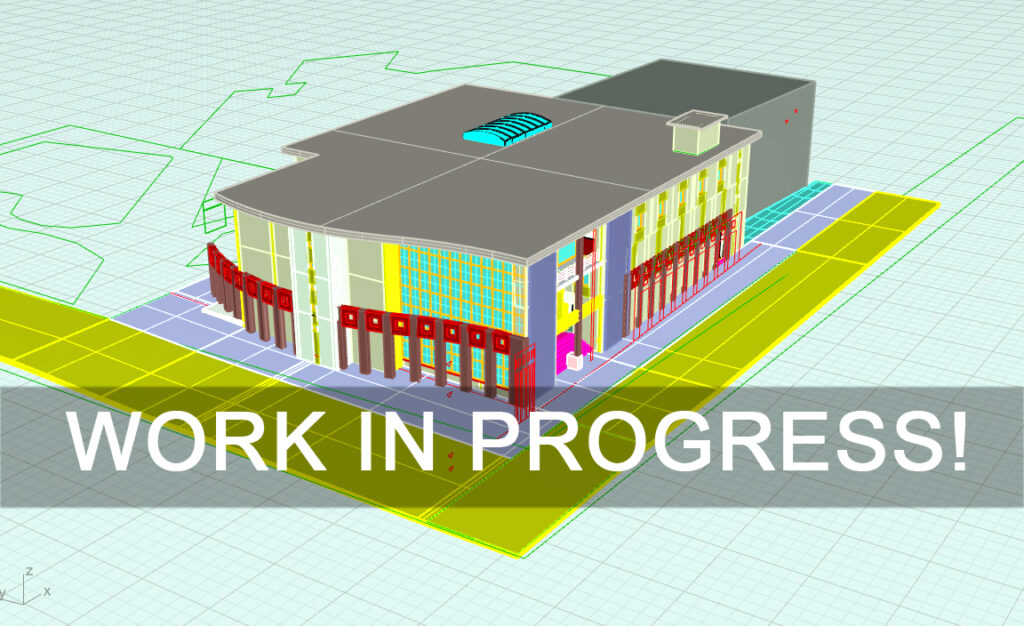
Read our 2nd newsletter!
The project is progressing steadily, with exciting developments along the way.Want to stay in the loop? Explore our second newsletter for more details, updates,…
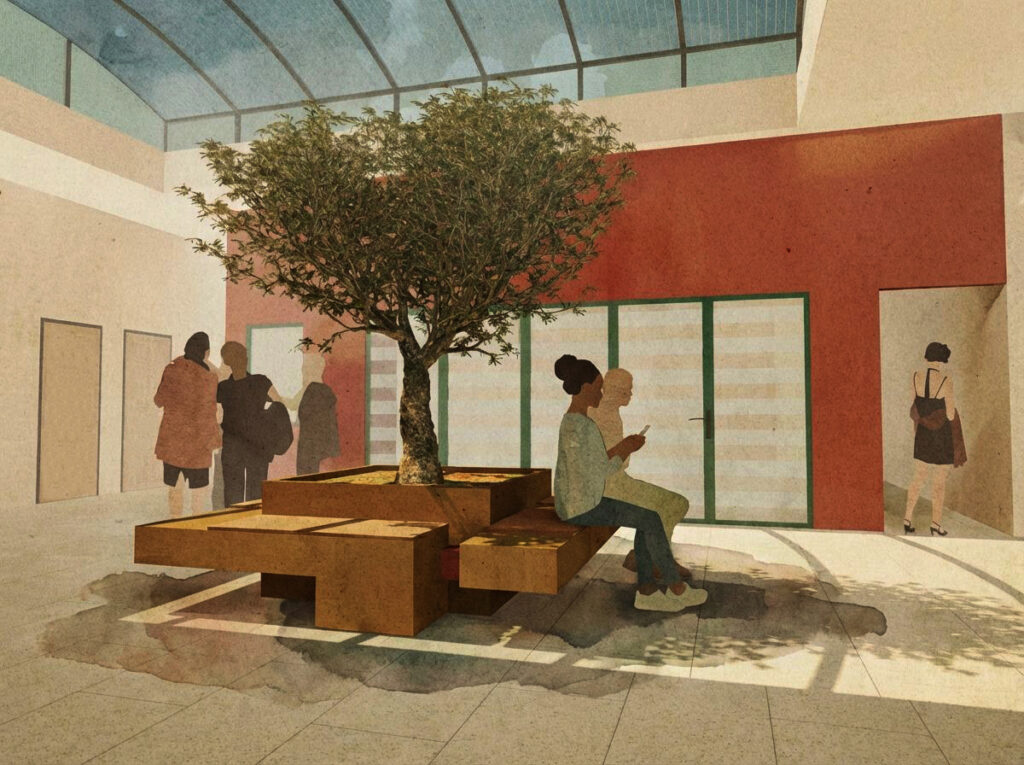
The International Conference “Reconstructing the Future”
We are pleased to announce that the project “Transforming Pella’s Central Administration Building into a Near-Zero Energy Landmark with the New European Bauhaus Principles”…
We’re Going to the New European Bauhaus Festival 2026!
We are proud to announce that our Municipality has been officially selected to present the project“Transforming Pella’s Central Administration Building into a Near-Zero Energy…
The festival of the new European Bauhaus
We Applied to Present Our Project at the New European Bauhaus Festival 2026! We are delighted to announce that our Municipality has officially applied…
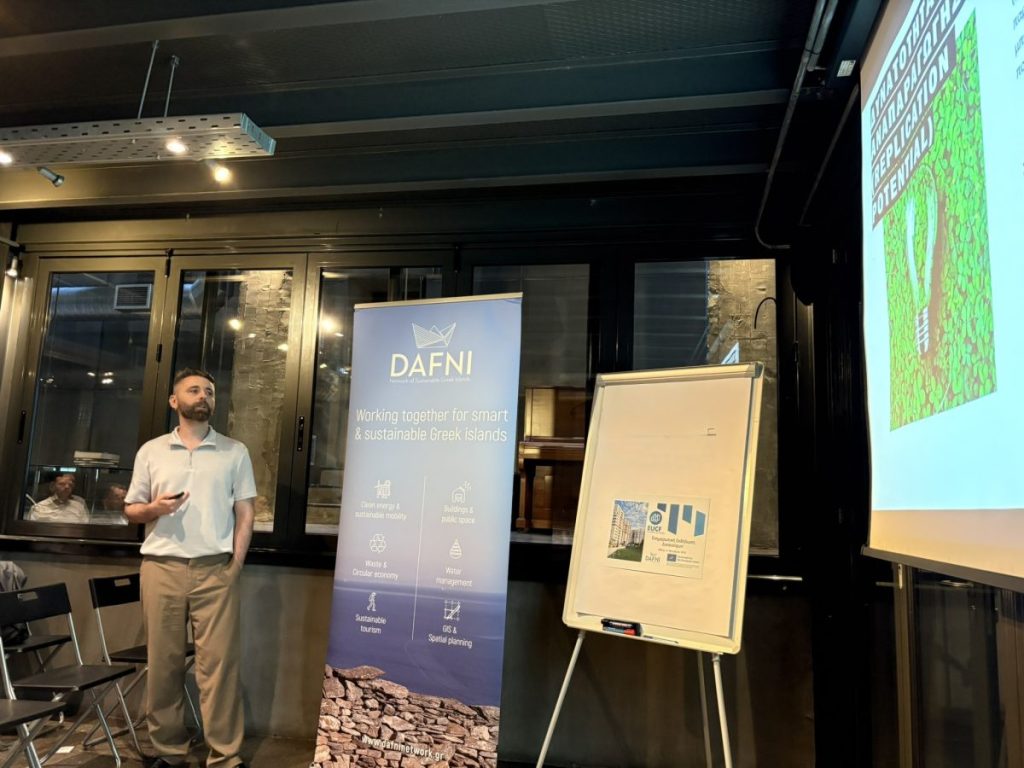
Municipality of Pella Participates in European City Facility (EUCF) Networking Event in Athens
On Tuesday, November 11, the Municipality of Pella participated in the networking event for beneficiaries of the European City Facility (EUCF), successfully organized by…

Take Part in the Transformation of the Central Municipal Building – Preliminary workshop
The Municipality is upgrading the Central Administrative Building into a Nearly Zero Energy Building (nZEB), aligned with the principles of the New European Bauhaus:Beautiful…
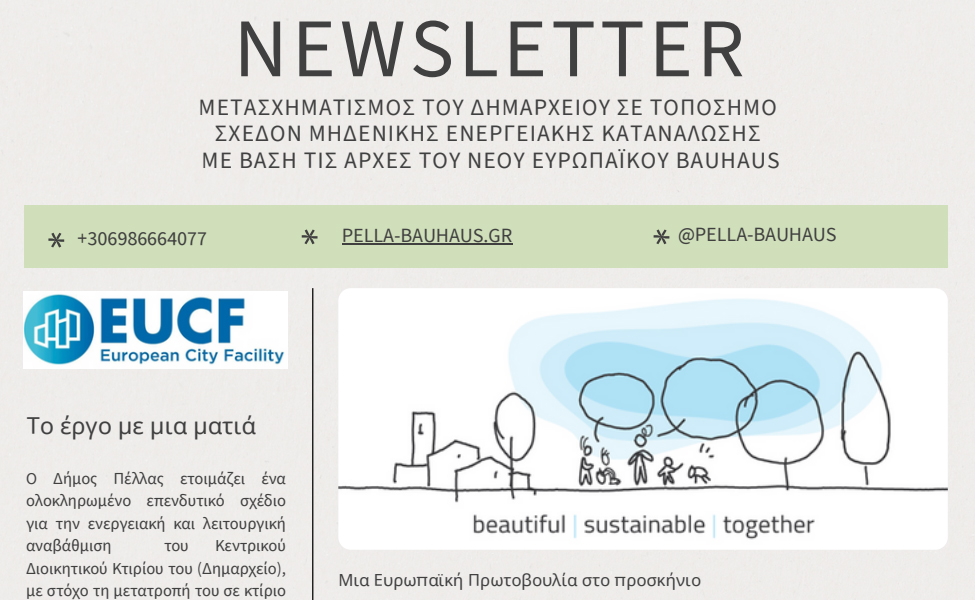
The 1st Newsletter is online!
We’re excited to launch the 1st newsletter of our project!Discover our strategy, our goals and what’s coming next.Stay tuned as we share insights, stories,…